Frequently Asked Questions

Acupuncture
What does it do?
Acupuncture and its adjunct therapies encourage your body to promote its natural ability to heal and improve its functioning.
How does Acupuncture work?
The classical Chinese explanation is that channels of energy (qi, pronounced chi) run in regular patterns through the body and near its surface. These energy channels, called meridians, are like rivers flowing through the body to irrigate and nourish the tissues. An obstruction in the movement of these energy rivers is like a dam that backs up the flow in one part of the body and restricts it in others.
By manipulating the acupuncture points the regular flow of energy can be re-established. Acupuncture treatments can therefore help internal organs to correct imbalances in digestion, absorption and energy production activities. Pain can also be reduced or nullified.
The modern western scientific explanation is that acupuncture stimulates the nervous system to release neuro-chemicals and changes brain waves. Pain and internal organ imbalances can then be reduced. The improved flow of energy and biochemical balance stimulates your own natural healing abilities and in promotes physical and emotional well being.
What is Qi or Chi?
It is described by many people as energy on the verge of becoming matter or material. Because this may be considered “intangible” or “immeasurable” some people have a hard time relating to this term.
Why are there so many questions to cover in the first treatment?
Chinese medicine looks for patterns or imbalances in the whole system rather than as a single (or multiple) complaint. Besides the many questions, the acupuncturist may ask to observe the patient’s tongue and to feel the pulses at both wrists.
Sometimes the questions may not seem related to the primary complaints but Chinese medicine has a different way of looking at the body and diagnosing than traditional allopathic medicine does.
What is the scope of Acupuncture?
Acupuncture is a system that can influence three areas of health care:
• Promotion of health and well being
• Prevention of illness
• Treatment of various medical conditions
While acupuncture is often associated with pain control, to a well-trained practitioner it has much broader applications. Acupuncture can be effective as the only treatment used, or as the support adjunct to other medical treatment forms in many medical and surgical disorders.
The World Health Organization recognizes the use of acupuncture in the treatment of a wide range of medical problems, including:
• Digestive disorders: gastritis, hyperacidity, spastic colon, constipation, diarrhea
• Respiratory disorders: sinusitis, sore throat, bronchitis, asthma, recurrent chest infections
• Neurological and muscular disorders: head aches, facial tics, neck pain, rib neuritis, frozen shoulder, tennis elbow, various forms of tendonitis, low back pain, sciatica, osteoarthritis
• Urinary, menstrual, and reproductive problems.
Acupuncture can also resolve physical problems related to tension, stress and emotional conditions.
How many treatments will I need?
Are there any negative side effects to the treatments?
Usually not (rare). As chi is redirected in the body, internal chemicals and hormones are stimulated and healing begins to take place. Occasionally the original symptoms worsen for a few days, or other general changes in appetite, sleep, bowel or urinary patterns, or emotional state may be triggered.
Call your acupuncturist if something happens post-treatment that you are unsure about. It is quite common to have a sensation of deep relaxation or even mild disorientation immediately following the treatment.
What are the needles like? Do they hurt?
People experience acupuncture needles differently. Most patients feel minimal pain as the needles are inserted; some feel no pain at all. Once the needles are in place there may be a tingly, or slight achy sensation that dissipates after a few seconds.
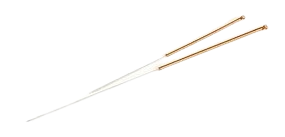
Acupuncture needles are very thin and solid and are most are made from stainless steel, some are made from silver or gold. The point of the needle is solid and smooth (not hollow with cutting edges like a hypodermic needle) and insertion through the skin is not as painful as injections or blood sampling. The risk of bruising and skin irritation is rare and less than using a hollow needle (but can happen).
Because your acupuncturist uses disposable needles there is a very low of infection from the treatments.
Does Acupuncture really work?
Yes. In the past 2000 years, more people have been successfully treated with acupuncture than with all other health modalities combined. Today acupuncture is practiced widely in Asia, the Soviet Union and Europe. Acupuncture treatment is now growing rapidly in North America.
Acupuncture treatments can be given at the same time other techniques are being used, such as conventional Western allopathic medicine, osteopathic adjustments, and homeopathic or naturopathic prescriptions.
It is important that your acupuncturist know everything that you are doing, so he or she can help you get the most benefit from all of your treatments.
Do I have to believe in Acupuncture for it to work?
No. Acupuncture is used successfully on cats, dogs, horses and other animals. These animal patients do not understand or believe in the process that helps them to get better.
A positive attitude toward wellness may reinforce the effects of most any type of treatment received, just as negative attitude may hinder the effects of a treatment. A neutral attitude (“I don’t know if I believe in this”) will not block the treatment results.
Is Acupuncture covered by Health Insurance?
Several insurance companies cover acupuncture costs; some other companies do not yet recognize the value of acupuncture and Chinese medicine. Each health policy must be reviewed to determine the acupuncture benefits.
Many acupuncture associations are working to inform insurance companies and the public in order to standardize payment practices and accessibility to this type of treatment. You can help by insisting that your insurance company offer you reimbursement for acupuncture treatments before you accept their policy.
Is it important which Acupuncturist I choose?
Like other professions the training can vary widely. The laws for who can be an acupuncturist in each state can make a difference as well.
Some states require an acupuncturist to also be an MD and Chiropractor yet may require them to have no additional training or a very minimal i.e. 100 hours of training with acupuncture. Many states require a licensed or registered acupuncturist to have at least 1800 hours of training and a diploma from a school as well as being nationally or state board certified.
Also there are different types of lineage for acupuncture training, like traditional Chinese medicine, Japanese, Korean, Vietnamese based teachings, Five Element acupuncturists and others: so it is a good idea when looking for an acupuncturist to ask them for more details about their training.
Modalities
Acupressure
A gentle, needle-free therapy that stimulates specific pressure points to relieve tension, improve circulation, and promote natural healing.
Acupuncture
A traditional Chinese medicine technique using thin needles to restore balance, relieve pain, and improve overall health by stimulating the body’s energy flow (Qi).
Allergy Elimination
Aromatherapy
Chinese Medicine
Cosmetic Acupuncture
A natural facial rejuvenation technique that stimulates collagen production, improves skin tone, and reduces fine lines for a youthful glow.
Cupping
A therapy that uses suction cups to promote circulation, release muscle tension, and detoxify the body for deep healing.
Cranial Sacral Therapy
A gentle hands-on technique that releases tension in the craniosacral system, promoting relaxation, pain relief, and overall wellness.
Ear Candling
A natural technique used to remove excess earwax and impurities, improving ear health and relieving sinus congestion.
Gluten Intolerance Treatment
A specialized approach to help individuals manage gluten sensitivities and improve digestive health.
Herbal Medicine
The use of natural plant-based remedies to support healing, boost immunity, and restore balance in the body.
Massage
Therapeutic bodywork that relieves stress, improves circulation, and reduces muscle tension for overall relaxation and well-being.
Moxa/Moxabustion
A warming therapy that involves burning dried mugwort (moxa) near acupuncture points to enhance circulation, relieve pain, and support healing.
Massage
Therapeutic bodywork that relieves stress, improves circulation, and reduces muscle tension for overall relaxation and well-being.
Oriental Medicine
A holistic medical system that includes acupuncture, herbal medicine, and dietary therapy to promote balance and wellness.
Pediatric Acupuncture
A gentle, child-friendly version of acupuncture designed to support children’s health and wellness naturally.
Massage
Therapeutic bodywork that relieves stress, improves circulation, and reduces muscle tension for overall relaxation and well-being.
Frequency Generator Treatment
A non-invasive therapy that uses specific electromagnetic frequencies to support cellular health and healing.
Salt Room
A therapeutic space infused with salt particles to improve respiratory health, reduce stress, and promote relaxation.
Soul Journey Health Main Office
1075 S Yukon St
Suite 120
Lakewood, CO 80226
Soul Journey Health Littleton
5944 S. Kipling Parkway
Suite 202
Littleton, CO 80217


Soul Journey Health recognizes and supports the following charitable organizations:
Mending Roots
Acupuncturists without Borders
Mountain Resource Center
Young Voices of Colorado
Schumann Family Foundation
International Black Belt Center of Virgina
Accessibility Statement
(You'll find our Accessibility widget on the right side mid-screen)